
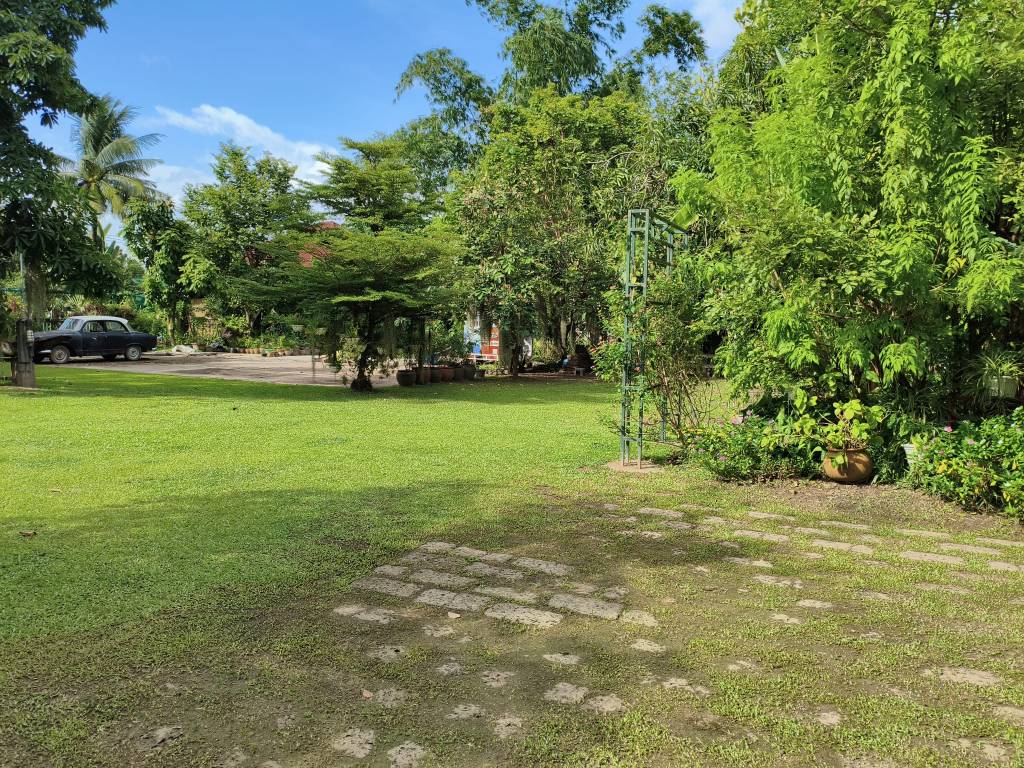
The Lao Textile Museum is located in Ban Nongtha Thai, Vientiane, Laos.
“Are you interested in textile?”
“A bit.”
Then my friend and I hopped on the journey to Lao Textile Museum. It took us 30 minutes get to this tiny museum. On the outside, this museum was made up of several wooden cottages standing on a verdant garden that rarely existed in a city. We dropped off at the entrance and headed to the reception desk.
Each ticket costed 30,000 kip (1.39 USD) for all visitors. Does it worth our money? The answer is YES!
The Lao Textile Museum is located in Ban Nongtha Thai, Vientiane, Laos. This is a museum that showcases the female clothes worn by Laos women during the 20th century.
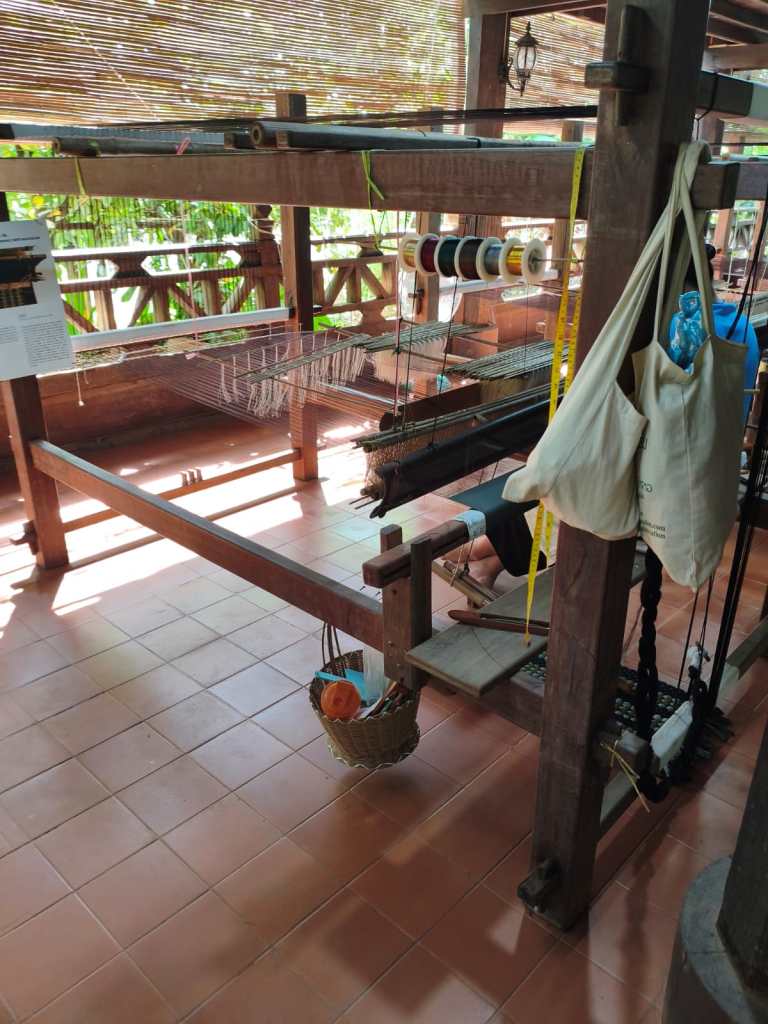
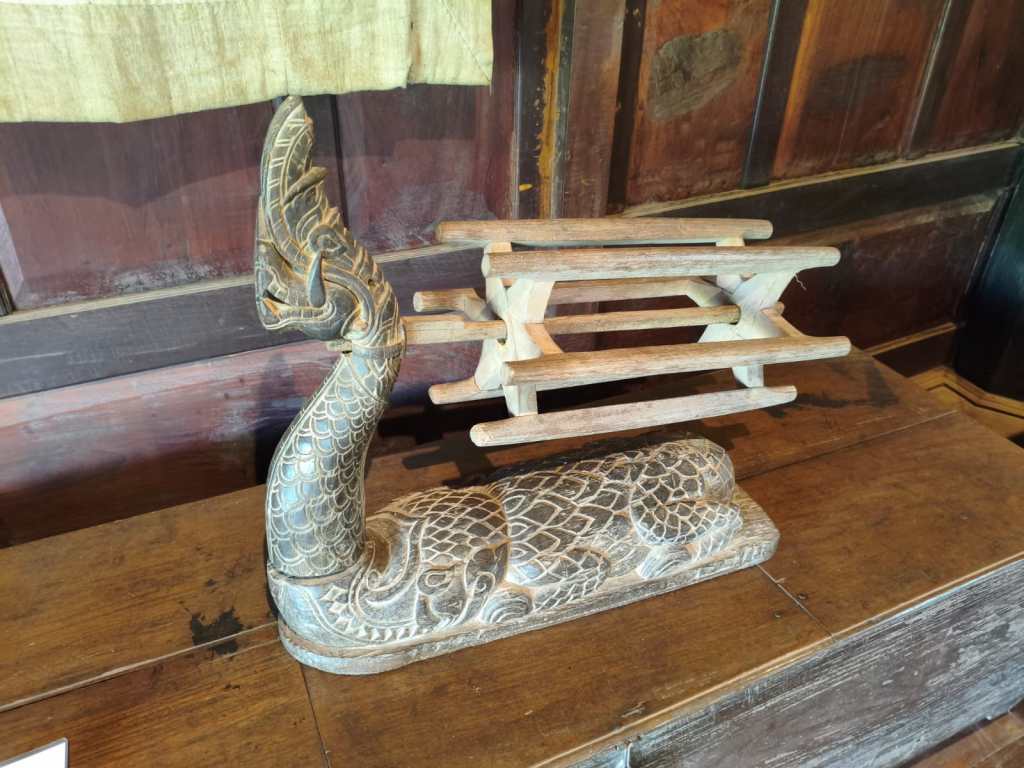

When my friend and I entered the first station of the museum, we saw some local women weaving textiles with their weaving looms. It was the first time I saw people maneuvering the clumsy and intricate machine in my real life, and I was fascinated by their skills and professionalism. There was a placard on the wall, stating that they did it for better demonstration of how people in the past created textile through the weaving looms. The person who came up with this idea must be a genius, for I had never seen a museum that would “hire” real person to showcase their exhibition. Now I saw the real-life experience, and I found it admirable.
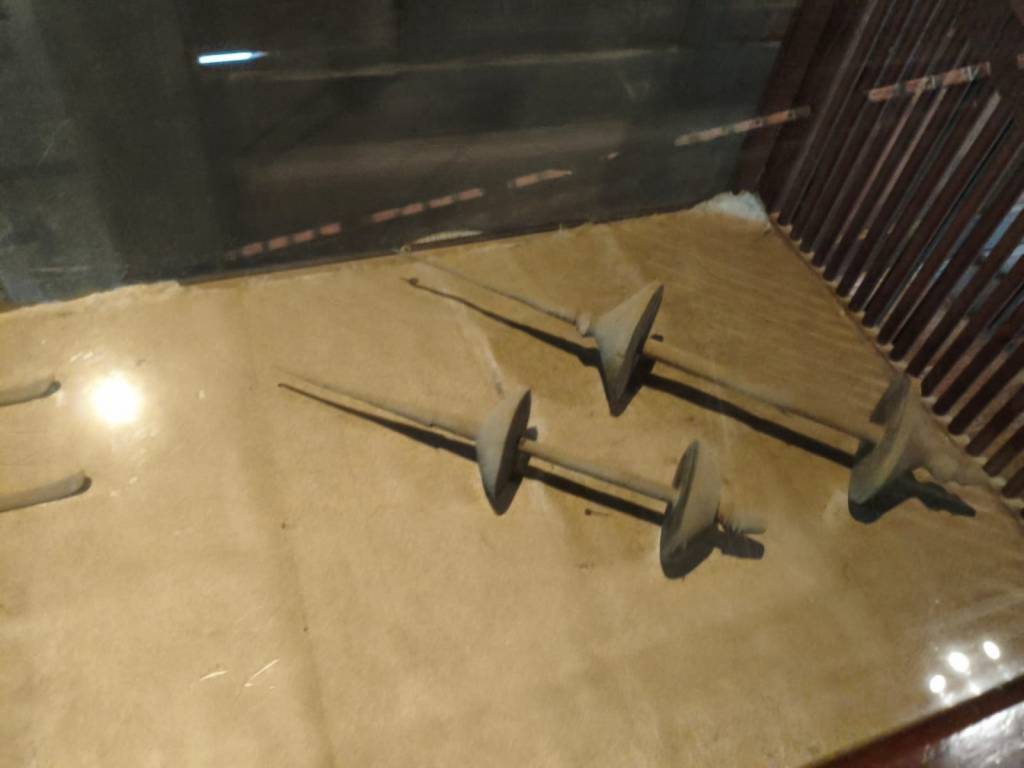
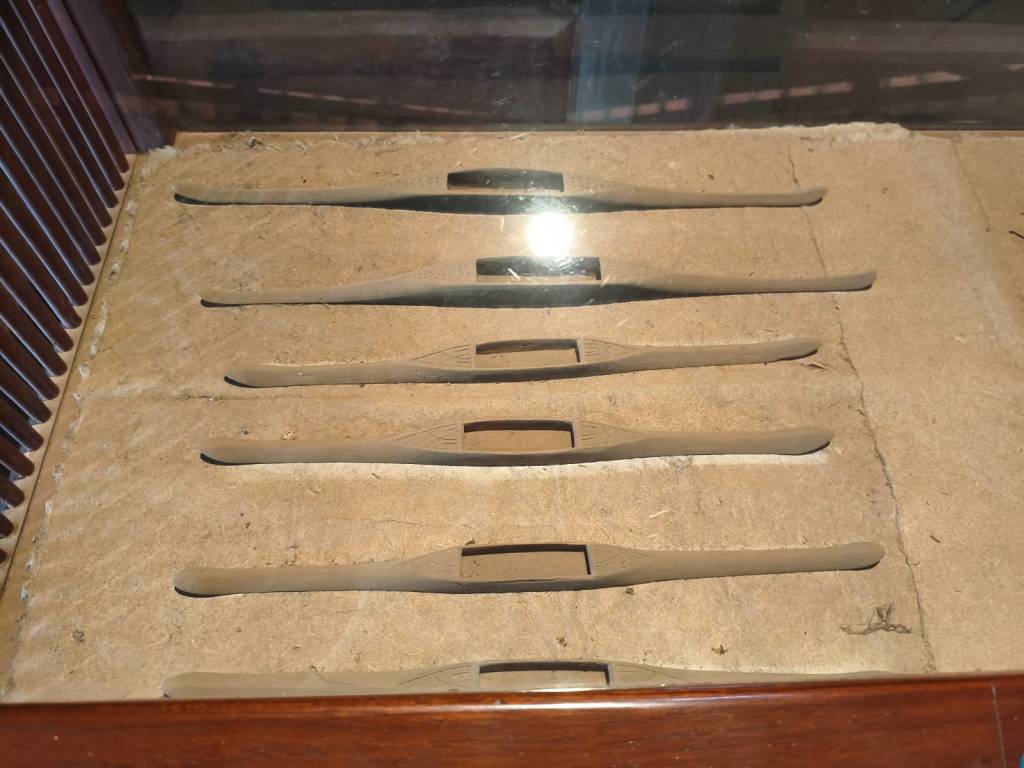
The upper floor of the main building was a collection of tools, dress and gowns in Laos in different time periods. Unsurprisingly, the room adopted the modest design from the entrance to the exit. Visitors couldn’t find any air conditioner or electronic monitor in here. Although there were no fancy technologies presenting the history of the dress or textile in the past, its design did not affect our understanding about Laos textile and dress.
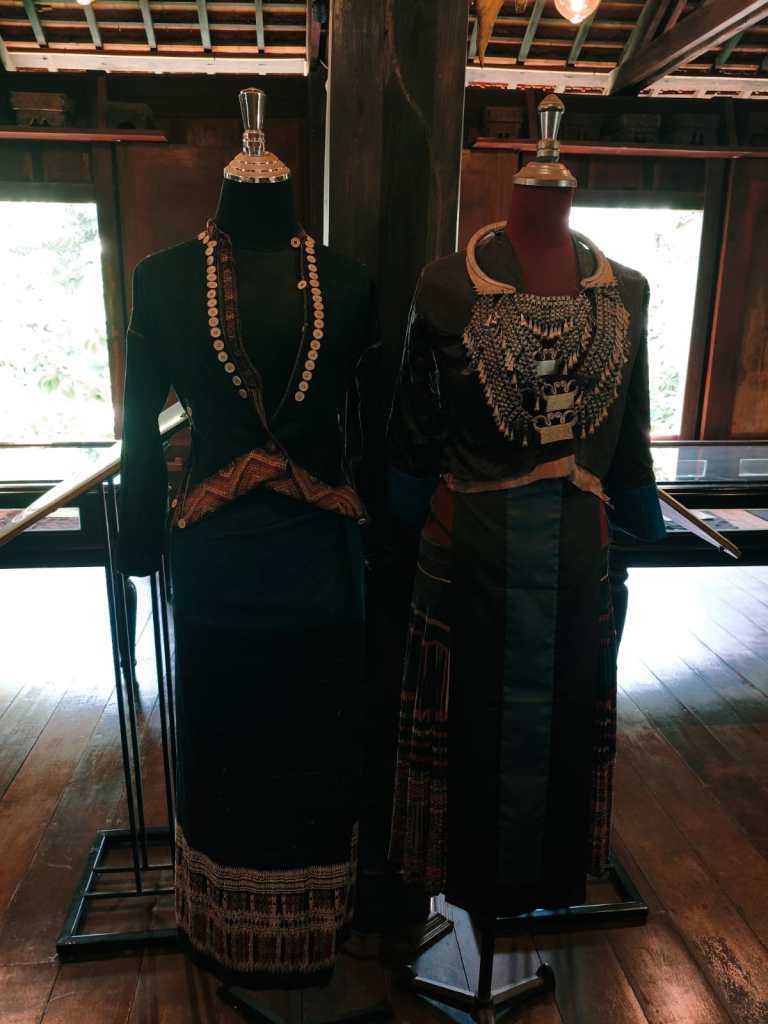

To be honest, I’m not a fashion enthusiast, so I wasn’t familiar with the patterns and styles of this vintage design. However, most of them were created for special events and festivals. For example, some dresses could only be worn on a specific day of the year, which meant women couldn’t wear them on ordinary days. I was surprised by the similarities between Chinese and Laotian cultures. Although they are quite different from each other, rituals still hold an important position in their lives. But what I didn’t expect was the function of the dresses. Apart from being worn for celebrations, they also served as the “uniform” of witch doctors during the 20th century.
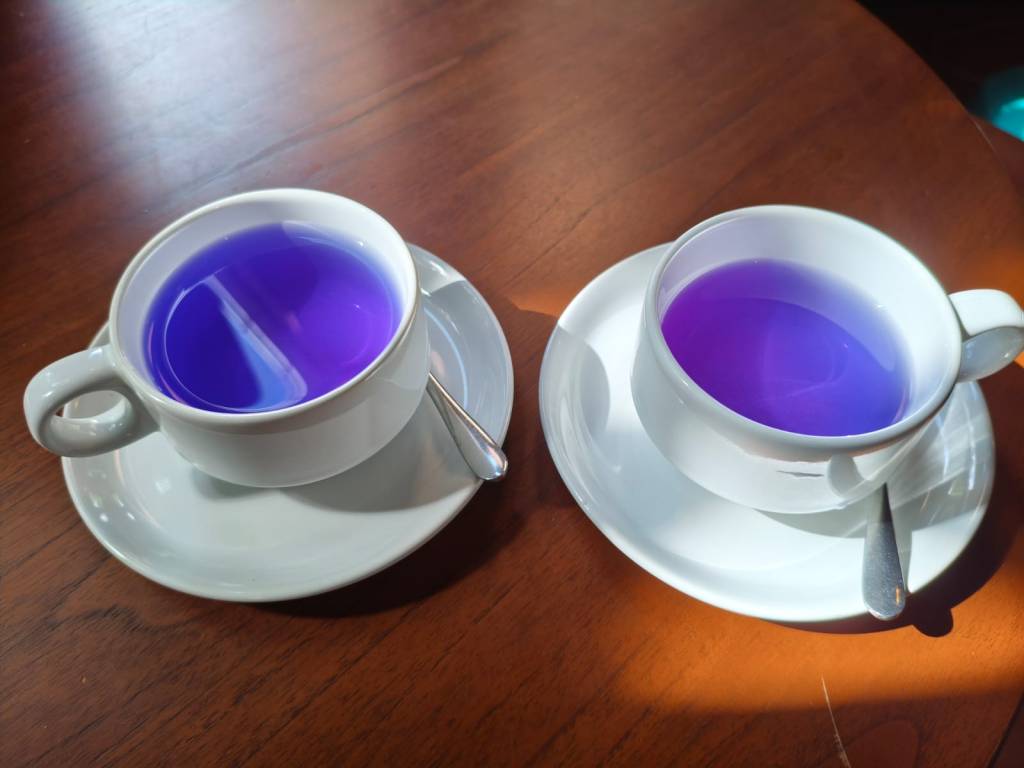
When our tour was over, we visited a shop that sold handmade textile products. The goods were very unique, but they were expensive. We decided to rest and waited for the taxi inside the shop. At that moment, the shop owner prepared two cups of chamomile tea for us. When the afternoon sunlight filtered through the window, the tea was as bright as purple crystal. When I took the first sip, the unique taste of the chamomile melted in my mouth. The flavor was mixed with the taste of the herb and dried flowers. It lingered in my mouth for a long time, even though I had finished it a while ago.
Hope you guys will visit it in the future!!!

Leave a comment